
Mergers & Acquisitions
ColdAI supports acquirers, investors and sellers through the whole transaction with technology weighed as carefully as the financials: screening targets against a technology thesis, diligence that tests architecture, AI and data claims, deal execution, integration, carve-outs and digital-asset transactions. This page explains how technology findings travel from the data room into the price, the purchase agreement and the first months of ownership, and where our specialist guides to particular deal problems fit.
In depth
Specialist guides for technology transactions
Each guide takes one problem that technology deals run into, from diligence on AI targets to screening filings and key handovers, and sets out the method in enough detail to use on a live deal.
- 01ChecklistDue Diligence on AI Companies: A Buyer's ChecklistA buyer's checklist for due diligence on AI companies: model provenance, provider terms, training-data rights, reproducible results and inference costs.
- 02ProcessCarve-Out IT Separation and Transition Services AgreementsHow to plan carve-out IT separation: map entanglements, pick a separation approach, meet Day One needs, scope a transition services agreement and plan its exit.
- 03GuideClean Teams and Gun-Jumping: Sharing Data Before ClosingWhat a competitor-acquirer may see before closing, how to set up a clean team and its agreement, and which pre-closing integration steps risk gun-jumping.
- 04Regulation explainerForeign Investment Screening for Tech Deals: CFIUS, NSIA, EUDoes your technology deal need a CFIUS, UK NSIA or EU screening filing? A filing-decision workflow, review clocks, deal conditions and typical mitigation.
- 05Deep diveDigital Asset M&A: Diligence on Token and Crypto BusinessesDiligence for buying a crypto business: MiCA change-of-control approval, treasury and wallet verification, key handover at closing, and smart-contract risk.
How We Help
ColdAI's M&A capability combines financial advisory expertise with deep technology due diligence — evaluating not just financial performance but technical architecture, AI capabilities, data assets, and engineering talent. We support the full transaction lifecycle from strategy through integration.
Our Approach
We bring rigorous analytical methodology to every transaction — combining financial analysis, technical assessment, and strategic evaluation to ensure informed decision-making at every stage.
Strategy & Screening
Define acquisition strategy, develop screening criteria, and systematically identify targets that align with strategic objectives and technology requirements.
Due Diligence
Conduct comprehensive due diligence spanning financial, technical, commercial, and operational dimensions — with particular depth on technology architecture and AI capabilities.
Deal Execution
Support negotiation, structuring, and closing with financial modeling, valuation analysis, and transaction management expertise.
Integration
Plan and execute post-merger integration including technology consolidation, organizational design, cultural alignment, and synergy capture.
Our Offerings
M&A Strategy
Development of acquisition strategies aligned with growth objectives, technology gaps, and market positioning — including systematic target identification and prioritization.
Technology Due Diligence
Deep technical assessment of target companies covering architecture, code quality, scalability, technical debt, AI capabilities, and engineering talent.
Transaction Advisory
Full-service transaction support including financial modeling, valuation, negotiation strategy, deal structuring, and closing coordination.
Post-Merger Integration
Comprehensive integration planning and execution covering technology platforms, organizational structure, culture, and synergy realization.
Carve-Out & Divestiture
Technical and operational separation planning for divestitures, ensuring clean architecture boundaries and sustainable standalone operations.
Digital Asset M&A
Specialized advisory for transactions involving digital assets, token economies, and blockchain protocols — including tokenomic valuation and regulatory assessment.
Where technology work enters each stage of a deal
Technology input is most useful when it starts before the first bid and carries through to the integration plan.
- Technology thesis
A written statement of the product, data, team or capability being bought, and what would make it worth less.
- Screening
Targets filtered on signals visible from outside, such as architecture choices, hiring patterns and open-source activity.
- Diligence
Claims tested in the data room, the code and management sessions, each finding ranked by its effect on value.
- Signing
Findings converted into price, warranties, specific indemnities, conditions and interim covenants.
- Closing and Day One
Access, licenses, keys and shared services that must work on the morning after completion.
- Integrate or separate
The plan drafted during diligence is run against named owners, dates and the value case.
How a technology finding becomes a term in the purchase agreement
A finding only protects the buyer if someone turns it into a price change, a contractual protection or an item in the integration budget. This table shows the usual routes; deal counsel drafts the actual language.
| Finding | Typical deal response | Who acts on it |
|---|---|---|
| The core product depends on a model provider whose terms restrict assignment or change of control | Provider consent made a condition of closing, or a price adjustment for the cost of switching | Deal counsel, with the buyer's technology lead sizing the switch |
| Copyleft-licensed code sits inside a product the target distributes | Pre-closing remediation covenant or a specific indemnity tied to the affected components | Counsel and the target's engineering team |
| Training data was collected without clear rights | Specific indemnity backed by an escrow or holdback, plus a remediation plan; sometimes a lower price | Counsel, data owners and the valuation team |
| The architecture cannot carry the business plan's growth | Valuation model adjusted for rebuild cost; re-platforming added to the integration budget | Financial advisers and the integration lead |
| Founders or contractors never assigned their inventions to the company | Signed assignments required before closing | Counsel and the target's founders |
| The business runs on infrastructure shared with the seller's group | Transition services scoped and priced in the agreement, with a separation budget | Separation lead on each side |
| Security incidents were found but not fully remediated | Specific warranty or indemnity and a remediation covenant, since insurance policies usually exclude known issues | Counsel, the security lead and the insurance broker |
Known issues found in diligence are generally excluded from warranty and indemnity insurance, which is why specific indemnities and price adjustments matter for technology findings.
Choosing the support that fits your side of the transaction
The same deal looks different from each seat at the table. Start from your role and what could go wrong.
- If
You are a corporate acquirer buying a technology company to add a product, team or capability.
ThenWeight diligence toward architecture, AI provenance and the engineers who hold the knowledge, and draft the integration plan before signing.
A capability purchase fails if the people leave or the technology cannot join your platform.
- If
You are a financial sponsor buying a platform company or an add-on.
ThenTest whether the technology can support the value-creation plan and what the technology cost base will be at the planned scale.
Sponsor returns depend on the plan being buildable within the holding period.
- If
The target uses AI as the main source of its value.
ThenUse the checklist for due diligence on AI companies to cover model dependency, data rights and reproducible performance.
Standard technical diligence rarely tests whether the AI is proprietary or rented.
- If
You are selling a business unit that shares systems with the rest of your group.
ThenPlan the separation and the transition services agreement before buyers ask for them.
A credible separation plan protects price and shortens the support period after closing.
- If
The buyer is foreign to the target's country and the target works in AI, semiconductors, data or defense supply.
ThenRun the foreign investment screening analysis before the timetable is agreed.
A mandatory filing can set the closing date regardless of commercial readiness.
- If
The target holds crypto assets, runs a licensed crypto service or develops a protocol.
ThenAdd the digital asset diligence workstream for licenses, treasury verification and key handover.
Ownership of on-chain assets transfers through keys and regulator approvals, not only through share transfer.
Technology questions to answer before the data room opens
Deal teams that write these answers down before diligence starts spend the data-room period testing hypotheses instead of reading at random.
Transaction terms technology teams meet in a deal
Engineers and data leads asked to support a transaction rarely meet these terms in their day jobs. Knowing them helps write findings counsel can use.
- Disclosure letter
- The seller's list of exceptions to the warranties. A known issue that is fairly disclosed usually cannot be claimed for later, so buyers rely on price or specific indemnities instead.
- Warranty and indemnity insurance
- A policy that pays for breaches of warranty in place of the seller. It generally excludes matters the buyer already knew about from diligence.
- Specific indemnity
- A promise by the seller to cover the cost of a named risk, such as a data-rights claim, often backed by part of the price held in escrow.
- Condition precedent and long-stop date
- Events that must happen before closing, such as a regulatory clearance or a supplier consent, and the date after which either side can walk away if they have not.
- Transition services agreement
- The seller's commitment to keep providing shared services, such as hosting or payroll, to the sold business for a limited period after closing.
- Earn-out
- Part of the price paid later if the business hits agreed targets. Useful when a technical claim cannot be proven before signing, though it needs clear measurement rules.
Where technology value leaks between signing and completion
The period between signing and closing is often the least managed part of a deal.
Interim covenants ignore technology decisions
Early signalThe target signs a new model-provider contract or starts a major re-architecture after signing, and the agreement says nothing about it.
MitigationInclude material technology changes, new long-term vendor commitments and changes to data practices in the list of actions that need the buyer's consent.
Key engineers leave after the announcement
Early signalRecruiters contact the target's team the week the deal becomes public, and retention terms are still being discussed.
MitigationAgree retention arrangements for the people who hold critical knowledge before or at signing, and brief them before the announcement.
Integration planning stalls over antitrust caution
Early signalNobody will share system details because the buyer is a competitor, so planning waits for closing.
MitigationSet up a clean team with counsel so planning can proceed on information that may lawfully be shared.
Day One dependencies surface in the final week
Early signalLicenses, domains, identity providers or bank integrations turn out to belong to the seller's group.
MitigationBuild the Day One list from diligence findings and track each dependency to a named owner and a test date.
The long-stop date cannot absorb an in-depth regulatory review
Early signalThe timetable assumes every filing clears in its first phase.
MitigationSet the long-stop date against the longest realistic review across all required filings, with extension rights agreed in advance.
How ColdAI fits alongside lawyers, accountants and bankers
ColdAI's M&A capability combines financial advisory with technology due diligence that examines architecture, code quality, scalability, AI capabilities, data assets and engineering talent, and it covers the transaction from strategy through integration1. Our advisory bench includes an adviser focused on finance, banking, private equity and M&A, and our technical assessments draw on the same engineering practice that designs and builds production systems.
We do not replace deal counsel or financial and tax advisers. Lawyers lead on the purchase agreement, merger control and foreign investment filings; accountants lead on the quality of earnings and tax. Our job is to give them technical findings in a form they can act on: each finding names its evidence, rates its effect on value and suggests the deal response, so counsel can draft from it and the integration team can plan from it.
Frequently asked questions
How does technology M&A advisory differ from financial due diligence?
Financial diligence tests the numbers the business has already produced. Technology advisory tests whether the product, data and team can produce the numbers the buyer is paying for: whether the architecture scales, whether the AI is proprietary or rented, whether the company owns its code and data, and what it will cost to integrate or separate. The two run in parallel and share findings, because a technology issue often explains a financial one.
When should technology advisers join a deal process?
Ideally when the technology thesis is written, before the first bid, so screening and the diligence request list reflect it. Joining at confirmatory diligence still works, but the time available then goes on testing a few critical claims rather than shaping the approach. Joining after signing limits the work to integration planning, because price and protections are already fixed.
Can ColdAI support a seller rather than a buyer?
Yes. ColdAI's M&A work covers carve-outs and divestitures as well as acquisitions. For a seller, technology work usually means preparing a separation plan and transition services, and finding issues such as missing invention assignments or unclear data rights early enough to fix them before buyers find them in the data room.
What do you need from us to start work on a live deal?
The technology thesis or investment memo, the timetable, access to the data room and the diligence request list, and the names of the people on the target side who can answer technical questions. If management sessions are planned, we will send the technical questions in advance so the sessions produce evidence rather than presentations.
Does the work continue after closing?
It can. Post-merger integration and carve-out separation are part of ColdAI's M&A capability, so the plan drafted during diligence can be carried through by the same team. Where integration is run by your own people or another firm, we hand over the findings, the Day One list and the integration assumptions so that nothing learned in diligence is lost.
Sources
Our Insights

Technology Due Diligence in the AI Era
Why traditional due diligence frameworks miss the most critical value drivers in technology acquisitions — and how to assess AI capabilities, data assets, and engineering excellence.

Post-Merger Integration: Where Value Is Won or Lost
Why 60% of acquisitions destroy value — and the integration strategies that capture synergies while preserving the innovation culture that made the target valuable.
Cross-Border M&A in Fragmented Regulatory Environments
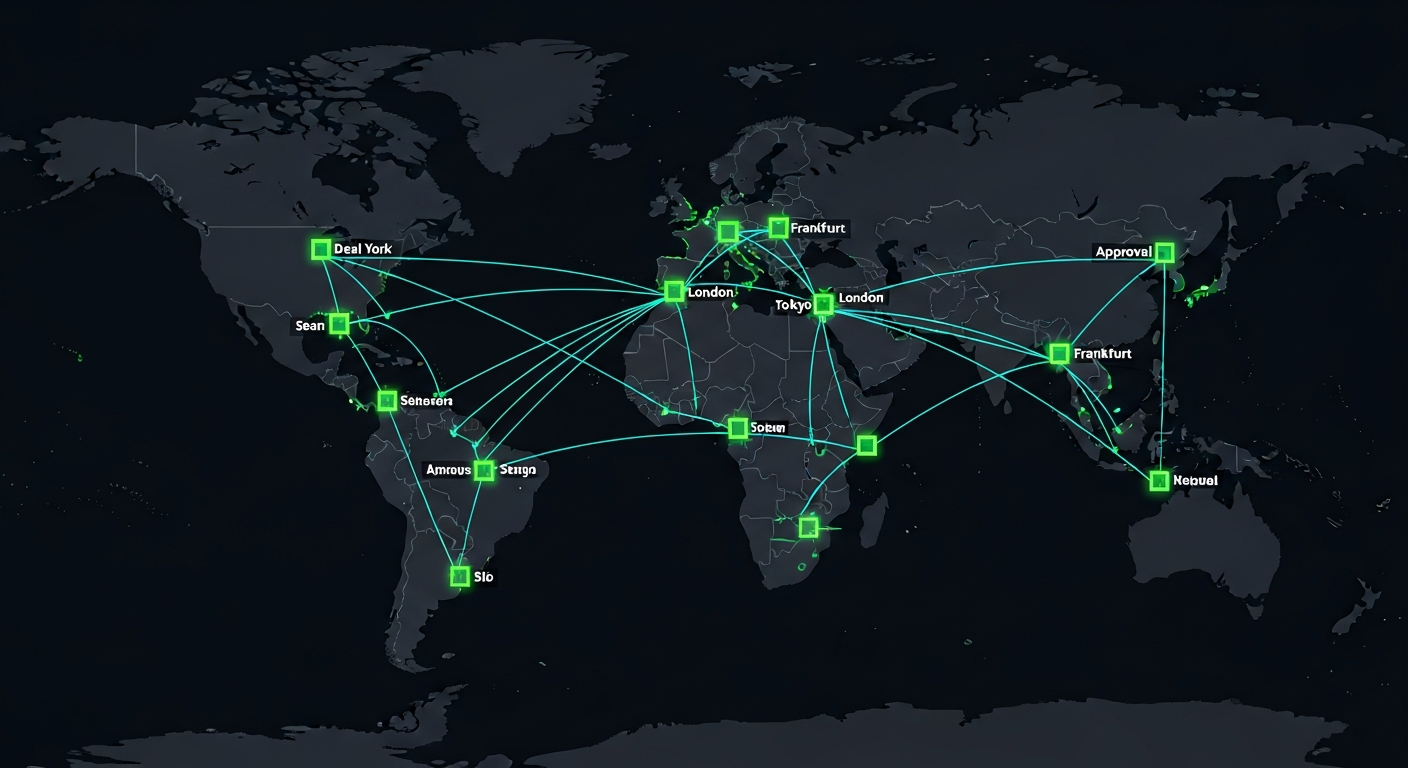
Navigating the increasing complexity of cross-border technology transactions — from regulatory approval to integration — in a world of rising techno-nationalism.