
Logistics
Updated
Multi-modal
Ocean, air, road, rail orchestrated through one control tower
Real-time
Continuous reroute and ETA recalculation against live disruption signal
Tier-N
Visibility past tier-1 suppliers into tier-2 and tier-3 dependencies
What does ColdAI do for Logistics?
AI in logistics is most useful where decisions repeat at volume and their outcomes can be measured: which vehicle takes which load, when a shipment will really arrive, how a warehouse staffs the next shift, which exception deserves attention first and which tariff code a product carries. ColdAI designs and builds these systems for carriers, logistics providers, forwarders and shippers, starting from the data already held in transport, warehouse and partner systems.
“Most supply-chain dashboards are still reporting yesterday. The shippers building real-time control towers are the ones treating disruption as the steady state, not the exception.”
In depth
Go deeper into logistics AI
Method pages for three questions logistics teams raise most often, written so your own people can use them whether or not you work with us.
- 01ArchitectureLogistics control tower architectureA layer-by-layer supply chain control tower architecture: multi-mode event ingestion, a canonical shipment model, ETA ranges, exception scoring and approvals.
- 02ProcessAI HS code classificationHow to use AI for HS code classification that customs will accept: rule-based reasoning, cited rulings, confidence routing and when to seek binding advice.
- 03GuideFreight emissions under ISO 14083 and GLECHow to calculate transport-chain emissions under ISO 14083 and the GLEC Framework: chain elements, data types, allocation and a pipeline toward carrier data.
AI-Powered Logistics & Supply Chain
Global logistics networks move trillions of dollars in goods annually — yet the industry still relies heavily on manual processes, fragmented visibility, and reactive decision-making. AI transforms logistics by enabling predictive planning, autonomous operations, and real-time optimization across multi-modal transportation networks. ColdAI builds the intelligent logistics platforms that turn complexity into competitive advantage.
Use Cases We Deliver
Route Optimization
AI-powered route planning that considers traffic patterns, weather conditions, delivery windows, and vehicle constraints to minimize fuel costs and maximize on-time delivery.
Warehouse Automation
Robotic picking, packing, and sorting orchestration with AI-driven inventory placement optimization that reduces labor costs and increases throughput.
Predictive Shipment Tracking
ML models that predict delivery times, detect potential delays, and automatically trigger contingency plans before disruptions impact customer commitments.
Demand Forecasting & Capacity Planning
Forecast shipping volumes across lanes, modes, and seasons to optimize carrier procurement, fleet sizing, and warehouse staffing.
Fleet Telematics & Maintenance
Real-time vehicle health monitoring, driver behavior analytics, and predictive maintenance scheduling that maximizes fleet utilization and safety.
Customs & Trade Compliance
AI-automated customs documentation, HS code classification, and trade compliance screening that accelerates cross-border shipments and reduces penalties.
How We Help Across Logistics
| Segment | Challenge | ColdAI Solution |
|---|---|---|
| Freight & Trucking | Route efficiency and driver utilization | Route optimization, fleet telematics, capacity matching |
| Warehousing | Labor and space optimization | Robotic automation, slotting optimization, workforce planning |
| Last-Mile Delivery | Cost and speed optimization | Dynamic routing, demand prediction, delivery window optimization |
| Ocean & Air Freight | Capacity and transit time management | Booking optimization, transit prediction, customs automation |
Our Logistics Technology Delivery Process
Network Analysis
Map existing logistics networks, data systems, and operational workflows to identify optimization opportunities across the supply chain.
Data Integration & Modeling
Integrate data from TMS, WMS, GPS, and partner systems to build comprehensive models of logistics operations and costs.
Pilot Route/Facility Deployment
Deploy AI optimization on selected routes or facilities with parallel measurement to validate cost savings and service improvements.
Network-Wide Rollout
Scale successful pilots across the logistics network with automated monitoring, exception handling, and continuous optimization.
Why Logistics Companies Choose ColdAI
- Route optimization AI that demonstrates measurable fuel savings and improved on-time delivery rates.
- Warehouse automation platforms that integrate with existing WMS systems and material handling equipment.
- Multi-modal visibility platforms that track shipments across ocean, air, rail, and road in a single view.
- Scalable architecture that handles peak season volume spikes without degradation in optimization quality.
Where AI changes logistics decisions, and where it does not
Logistics runs on decisions made under uncertainty with data owned by other people. A shipper depends on carrier status messages, a forwarder on airline and ocean milestones, a carrier on customer forecasts it cannot see. AI helps when three conditions hold: the decision recurs often enough to learn from, its outcome is recorded so a model can be checked, and someone has the authority to act on the recommendation. Where one of those is missing, a clearer process or a better report usually beats a model.
It also helps to separate three families of technique that are often sold under one label. Mathematical optimization (vehicle routing, load building, network design, labor scheduling) finds the best plan within constraints you can write down. Machine learning predicts the inputs those plans depend on: travel times, volumes, dwell and the chance of a late delivery. Language models and agents handle the unstructured work around the edges, such as reading documents, drafting carrier queries and customer notices, and summarizing what happened. Most useful systems combine all three, each doing the part it is good at.
Matching the technique to the logistics decision
| Decision | Main technique | Data it depends on | Where people stay in control |
|---|---|---|---|
| Route and load planning | Optimization solvers fed by predicted travel and service times | Orders, vehicle and driver constraints, time windows, road network, historical stop times | Dispatchers review and override plans; overrides are logged and studied |
| Predictive ETAs and late-risk alerts | Machine learning on event history and live positions | Carrier and partner milestones, lane transit history, port and yard dwell | Planners decide on expediting; customers receive approved notices |
| Volume forecasting and capacity | Time-series forecasting with seasonality, promotions and customer signals | Shipment history by lane and customer, order books, known events | Capacity and procurement teams commit carriers, fleet and staff |
| Warehouse slotting and labor | Optimization plus forecasts of order profiles | Item dimensions and velocity, order lines, labor standards, WMS events | Site managers approve re-slots and shift plans |
| Exception handling | Rules and anomaly detection, with agents drafting the response | Normalized events, commitments, penalty terms, stock positions | People approve anything that costs money or changes a customer promise |
| Customs documents and classification | Retrieval over tariff text and rulings, with language models proposing candidates | Product attributes, commercial invoices, prior decisions and rulings | Qualified staff sign off codes and declarations |
A simplified map. Many programs start with one row and add the next once the data foundation is in place.
The decision loop every logistics AI system has to close
- Sense
Collect orders, plans, status events, positions and warehouse transactions, matched to the shipments they describe.
- Predict
Estimate arrival times, volumes, dwell and the probability that a commitment will be missed.
- Decide
Optimize plans, or rank options for a person, within cost, service and compliance limits.
- Act
Book, re-route, re-slot or notify through the TMS, WMS and partner channels, with approvals where due.
- Learn
Compare outcome with plan, record why they differed and feed that back into models and rules.
Where to start, by position in the logistics chain
- If
You run an asset-based fleet in truckload, LTL or regional distribution
ThenStart with dispatch and route planning fed by better travel-time estimates, then predictive fleet maintenance from telematics.
These decisions recur daily, use data you already own and show results in miles, hours and service.
- If
You are a 3PL or contract logistics provider
ThenStart with labor planning and slotting at one site, then extend to multi-client capacity forecasting.
Labor is the cost you can flex, and WMS data is usually rich enough to begin.
- If
You are a freight forwarder or NVOCC
ThenStart with exception management and document handling, including support for customs classification.
Your value lies in coordinating partners, and that work is dominated by messages and documents.
- If
You are a shipper or beneficial cargo owner
ThenStart with a control tower on your most important lanes, carrier performance analytics and shipment-level emissions data.
You depend on other parties' data, so visibility and accountability come first.
- If
You run parcel or last-mile delivery
ThenStart with delivery-window prediction and dynamic routing, then failed-delivery prevention.
Stop density and first-attempt success drive cost, and both respond to better prediction.
Data foundations to check before a logistics AI pilot
Why logistics AI pilots stall after the demo
Plans that dispatchers do not trust
Early signalHigh override rates and parallel spreadsheets.
MitigationModel the constraints people actually work to, show why a plan was chosen and treat overrides as data to learn from.
Partner data that arrives late or not at all
Early signalAlerts fire after the customer has already called.
MitigationMeasure feed freshness per partner, chase the worst feeds commercially and widen ETA ranges when data is stale.
Models trained on a network that has changed
Early signalAccuracy drops on specific lanes after a service change or disruption.
MitigationMonitor error by lane and facility, retrain after known breaks and keep a simple fallback.
Agents acting beyond their authority
Early signalBookings or customer messages nobody remembers approving.
MitigationLimit agents to drafting and proposing anything that costs money, and log every action with its approver.
Savings nobody can verify
Early signalCompeting claims about what the pilot achieved.
MitigationAgree the baseline and measurement method beforehand, and run old and new processes in parallel on comparable volume.
How ColdAI approaches logistics programs
Our logistics delivery process starts with network analysis and data integration: mapping how freight, data and decisions move today, then connecting TMS, WMS, GPS and partner systems into one model of operations and costs. We pilot on selected routes or facilities with parallel measurement against the current process, and scale network-wide once the results hold1.
Where the question is whether to invest at all, a consulting sprint assessment of two to four weeks can rate each candidate use case on data, platform, governance and skills before anything is built2. For ongoing coordination, our Supply Chain Agent covers route optimization, carrier selection and shipment tracking across modes, alongside warehouse coordination3. We recommend that any agent action committing spend or changing a customer promise passes through a human approval step.
The in-depth pages below cover three areas where logistics teams most often ask for a method rather than a product: tariff classification, control tower design and freight emissions accounting. Automating freight and supplier invoices in accounts payable is covered separately in our invoice processing use case.
Frequently asked questions
Is a TMS with built-in AI features enough, or do we need custom logistics AI?
Often the TMS is the right home for execution, and its built-in features are a sensible first step. Custom work earns its place when decisions depend on data the TMS does not hold, such as partner events from several platforms, customer penalty terms or warehouse capacity, or when you need models you can inspect and tune per lane. A common pattern keeps execution in the TMS and adds prediction, scoring and agent layers beside it.
Do we need real-time data to benefit from AI in logistics?
Not for every use case. Network design, carrier procurement and labor planning work well on daily or weekly data. Real-time feeds matter for decisions made within hours, such as re-routing, dock changes and late-delivery notices. Start with the decisions your current data latency already supports, and invest in faster feeds only for the decisions that need them.
How should we measure whether a logistics AI model is working?
Measure the decision, not just the model. For routing, compare cost per stop, on-time performance and override rate against a parallel baseline. For ETAs, compare error with the carrier's own estimate lane by lane, and count how often a warning came early enough to act. For exceptions, track time to resolution and repeat incidents by root cause. Agree the baseline before the pilot starts.
Can AI agents communicate with carriers and customers on our behalf?
They can draft and, within limits you set, send routine messages such as status requests and appointment confirmations. Anything that commits money, changes a customer promise or concedes a claim should go to a person for approval first. Log every message with the data it was based on, so a planner can see what was said and why.
How does AI support customs and trade compliance in logistics?
Mainly by preparing work that specialists sign off: extracting data from commercial invoices and packing lists, proposing tariff codes with the legal reasoning behind them and checking declarations for inconsistencies before filing. Responsibility stays with the declarant, so the system must record its reasoning. Our HS code classification guide sets out a defensible process.
Sources
- Logistics technology delivery process — ColdAI
- Strategic Technology Consulting: engagement models — ColdAI
- Supply Chain Agent — ColdAI
Latest analysis from this industry
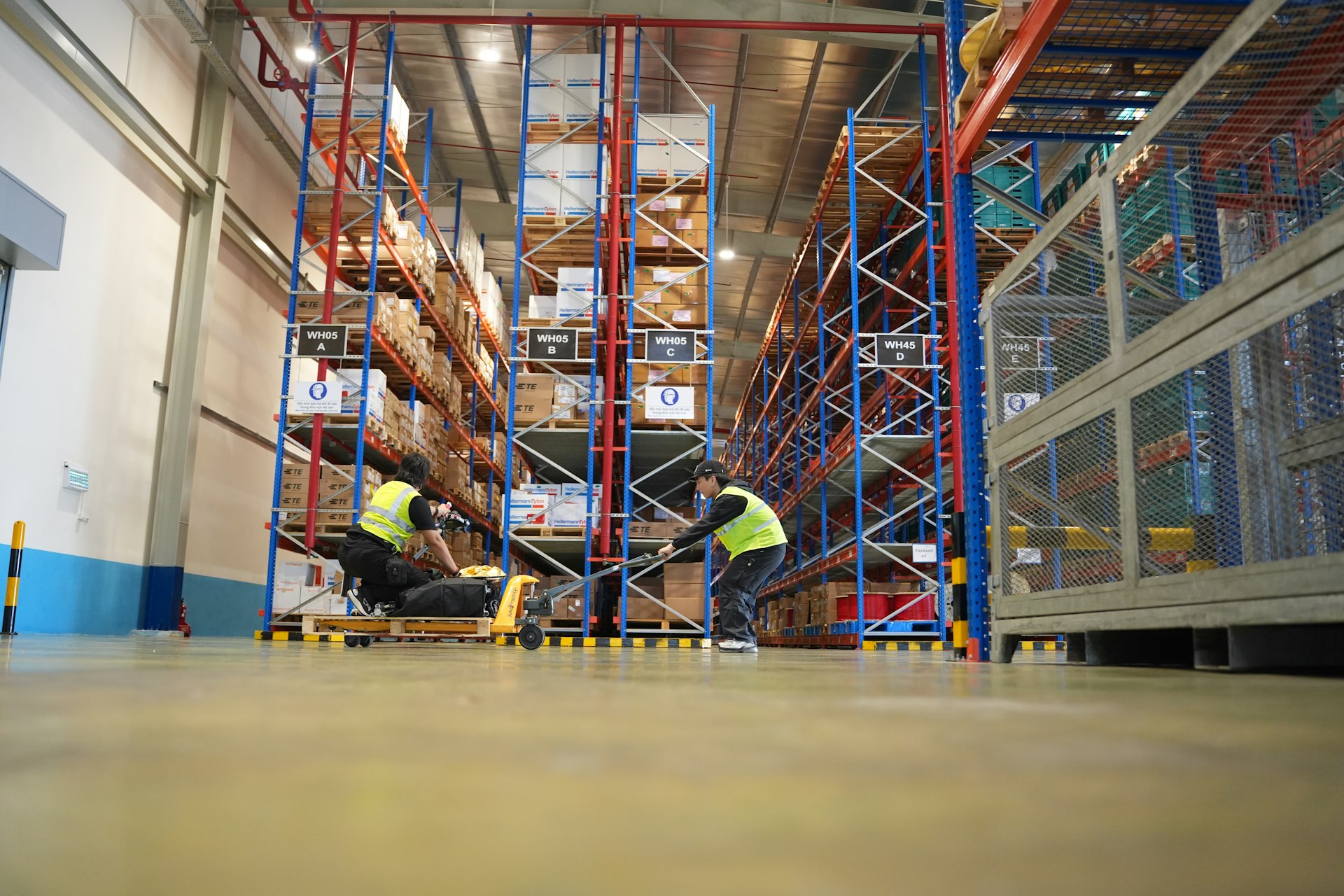
Behind the shift: Leading Logistics Operators Are Replacing Visibility Platforms With Ledger-Native Agent Networks
The shift from centralized TMS to distributed multi-party computation is cutting exception-handling time by 60% and unlocking $340M in working capital.
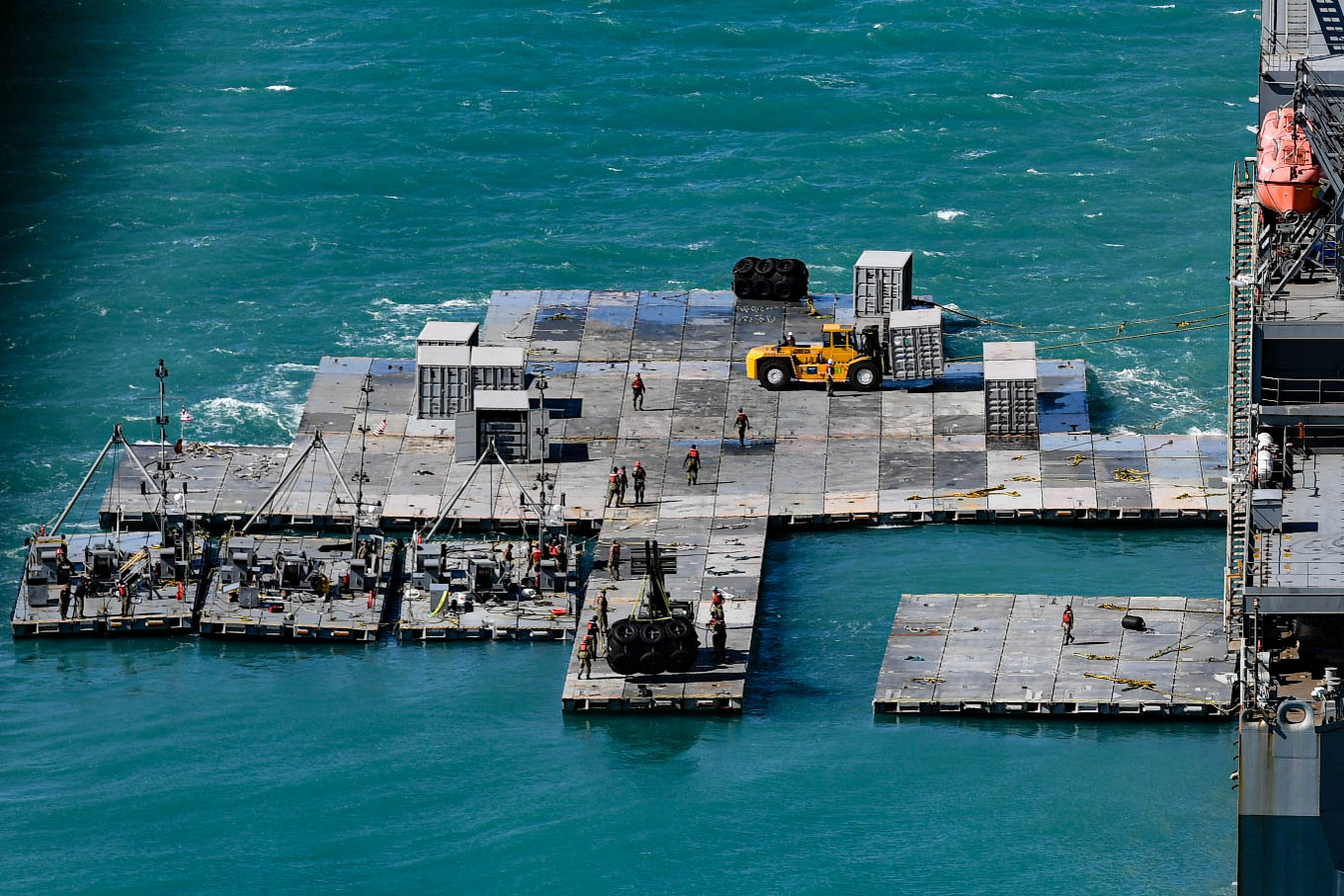
Leading Logistics Operators Are Abandoning Centralized TMS for Agent Meshes, explained
The shift from monolithic transportation management systems to distributed AI agent networks is cutting exception-resolution time by 73% and rewriting procurement strategy.