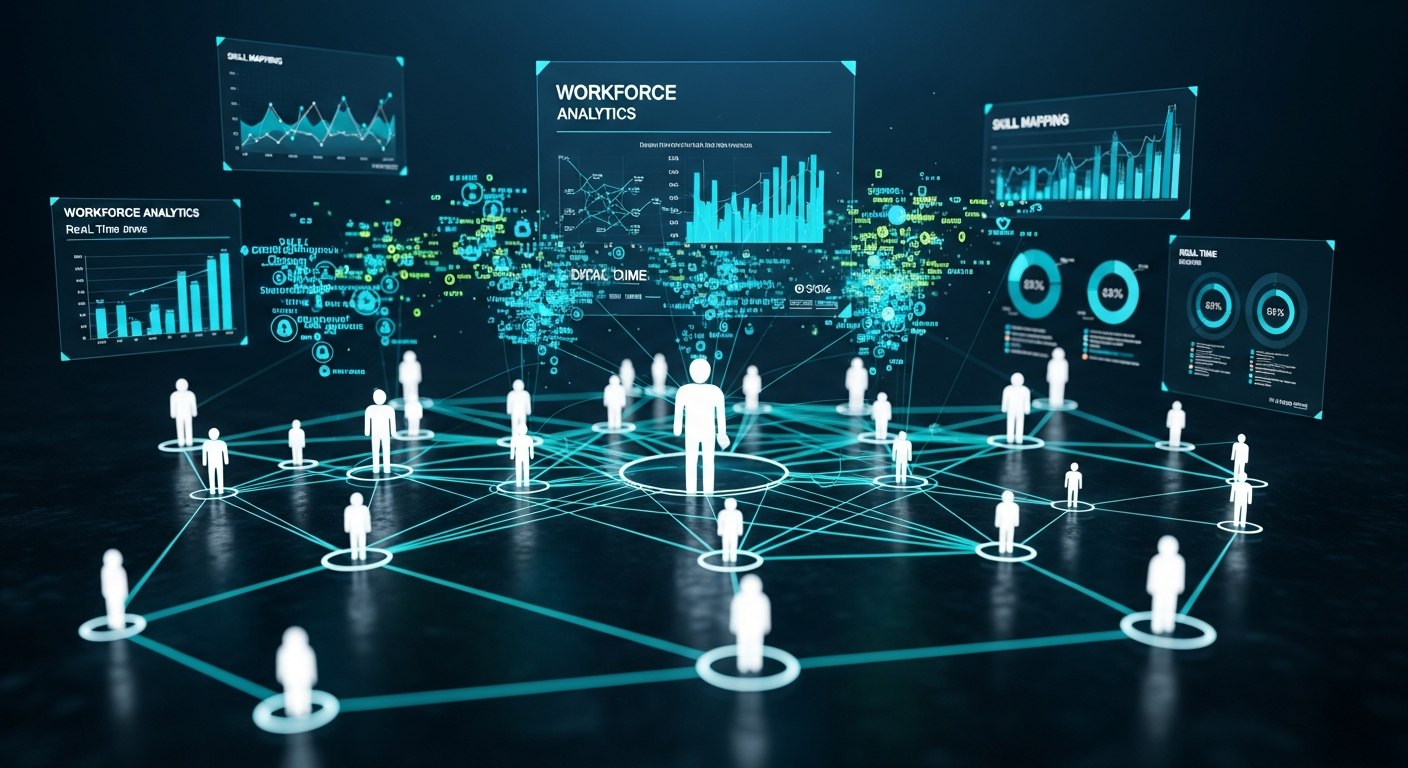
People & Organizational Performance
ColdAI's people and organizational performance practice helps leadership teams redesign work, structure and capability while AI changes what people do every day. Engagements span workforce transformation, leadership development, organization design, talent strategy, culture and DEI. Each follows the same discipline: find the real cause of a performance gap, design an intervention aimed at it, put it to work through sponsors and managers, and check whether behavior and results actually moved.
In depth
Method pages for people and organization work
Five working methods behind this capability, each written so an HR, workforce planning or organization design team can apply it directly.
- 01ProcessHow to Assess AI's Impact on Jobs, Task by TaskA step-by-step method for assessing AI's impact on jobs in your organization: task inventories, classification rules, feasibility filters and reskilling paths.
- 02ArchitectureBuilding a Skills Taxonomy for Skills-Based PlanningThe architecture of a working skills taxonomy: data model, ESCO, O*NET or SFIA as a base, LLM-assisted skills inference with human review, and governance.
- 03Deep diveSpans and Layers: Analyzing and Redesigning StructureHow to compute spans of control and management layers from HR data, read the patterns by manager archetype, and redesign without breaking accountability.
- 04Regulation explainerEU AI Act AI Literacy (Article 4): What Employers Must DoWhat Article 4 of the EU AI Act asks of employers after the Digital Omnibus amendment, who it covers, and how to build and evidence a role-based literacy plan.
- 05ChecklistEU Pay Transparency Directive Readiness ChecklistA readiness checklist for the EU Pay Transparency Directive: job architecture, pay data, recruitment, information requests, reporting and joint pay assessments.
How We Help
ColdAI's people and organizational performance capability helps organizations align their talent strategies, leadership development, organizational design, and culture with the demands of a technology-driven future. We combine data-driven workforce analytics with deep organizational expertise to build high-performing teams.
Our Approach
We take an evidence-based approach to people and organizational challenges — combining analytics with behavioral science to design interventions that drive measurable performance improvement.
Diagnose
Assess organizational effectiveness through workforce analytics, engagement data, capability assessments, and stakeholder interviews to identify root causes of performance gaps.
Design
Design targeted interventions — whether organizational restructuring, leadership programs, talent systems, or culture initiatives — grounded in evidence and tailored to organizational context.
Activate
Deploy change programs with robust communication, sponsorship engagement, and adoption support to ensure interventions take hold and deliver intended outcomes.
Measure
Track impact through defined metrics and feedback loops, adjusting approaches based on data to ensure sustained performance improvement.
Our Offerings
Workforce Transformation
Strategic workforce planning for the AI era — identifying future skill requirements, reskilling strategies, and workforce architecture to support technology-driven business models.
Leadership Development
Executive and high-potential development programs that build the leadership capabilities needed to drive transformation and manage in uncertain environments.
Organization Design
Operating model and organizational structure design that optimizes for agility, innovation, and cross-functional collaboration in technology-intensive environments.
Talent Strategy
End-to-end talent strategy including employer branding, acquisition, development, retention, and succession planning for critical technology and leadership roles.
Culture & Engagement
Culture transformation programs that shift mindsets and behaviors to support innovation, collaboration, and continuous learning.
DEI Strategy
Data-driven diversity, equity, and inclusion strategies with measurable goals, accountability frameworks, and programs that drive meaningful progress.
Why workforce decisions now sit inside every AI plan
Most AI programs are approved as technology investments and reviewed as technology risks. The people consequences arrive later, usually as a change-management line item: a communications plan, some training, a survey. By then the important choices have been made. Which tasks a system takes over, who checks its output, which roles grow and which shrink, and what managers are expected to do differently are design decisions, and they are cheapest to get right before a pilot starts.
That is why this capability treats AI deployment and workforce development as one piece of work, with a workforce impact assessment attached to every deployment. In practice the people workstream joins at scoping, works from the same use-case list as the technology team, and owns outcomes that the steering group reviews alongside model accuracy and cost.
Regulation has added a second reason. In the EU, organizations that use AI systems must take measures to support the AI literacy of their staff1, AI used for recruitment, promotion, task allocation or performance monitoring is listed as a high-risk use2, and German employers must inform the works council in good time about planned work processes that involve AI3. Pay transparency rules place their own demands on job architecture and pay data. People work has become part of compliance as well as performance.
How a Diagnose, Design, Activate, Measure engagement runs
The four stages repeat: whatever the Measure stage finds becomes the starting evidence for the next Diagnose stage.
- Diagnose
Triangulate HR system data, survey results and interviews until the cause of the gap is specific enough to act on.
- Design
Choose the smallest intervention that addresses that cause, and write down what should change and how you will see it.
- Activate
Work through sponsors and line managers, because most people changes succeed or fail in first-line conversations.
- Measure
Compare the agreed indicators with the baseline, then keep, adjust or stop the intervention.
Six workstreams, the problems that trigger them and where to read more
| Workstream | Typical trigger | Evidence the work starts from | Go deeper |
|---|---|---|---|
| Workforce transformation | An AI rollout is approved and nobody can say which jobs it changes | Job descriptions, process maps, system data and interviews with the people doing the work | Task-level AI impact assessment |
| Talent strategy and skills | Leaders cannot say which skills the organization has, or where they sit | HR records, learning history, project staffing data and role profiles | Skills taxonomy architecture |
| Organization design | Decisions queue at the top and managers spend their days coordinating | Reporting lines, decision rights and the actual flow of approvals | Spans and layers analysis |
| Leadership development | Executives must approve AI investments they cannot yet evaluate | Leadership assessments, multi-rater feedback and real decisions under review | The leadership checklist below, and AI literacy duties for the regulated baseline |
| Culture and engagement | Engagement falls after a reorganization or a technology launch | Survey trends, exit interviews, collaboration patterns and team-level results | The culture measurement section below |
| DEI strategy | Pay equity questions arrive from regulators, candidates or employees | Job architecture, pay components and representation by level | Pay transparency readiness checklist |
Most engagements touch two or three workstreams. The trigger tells you where to start, not where to stop.
Leadership capabilities to build when AI is part of the job
Comfort with ambiguity and technology fluency are easy to name and hard to observe. In day-to-day terms, executives in AI-intensive organizations should be able to do the following.
Measuring culture and DEI progress without surveilling people
Managing culture with continuous sensing rather than annual value statements is sound, but sensing has limits that are easy to cross. Pulse surveys and aggregated collaboration patterns can show where teams are stretched or isolated. Inferring individual emotions from faces, voices or messages at work is prohibited under the EU AI Act, except for medical or safety reasons2.
Culture measurement should follow three rules. Report at team level and above, with minimum group sizes so no answer can be traced to a person. Measure the specific behaviors the strategy depends on, such as whether people raise problems early or share work across teams, rather than a general mood score. And agree with employee representatives, before launch, what is collected, who sees it and what it will never be used for. Processing employee data also needs a lawful basis under the GDPR, and Member States may set more specific rules for the employment context4.
The same discipline applies to DEI goals. A measurable goal names the population, the indicator, the baseline and the decision it will inform. Representation by level, promotion rates by group and pay differences within comparable roles say more than a single headline figure, and each points to a different intervention.
Legal and trust limits on people analytics
Workplace AI that falls into the high-risk category
Early signalA tool ranks candidates, allocates shifts by individual behavior or scores performance.
MitigationTreat it as an Annex III high-risk use under the EU AI Act2. The Digital Omnibus set 2 December 2027 as the application date for these systems, so design oversight, logging and worker information now rather than retrofitting them1.
Co-determination rights overlooked
Early signalA German site plans an analytics or AI tool without involving the works council.
MitigationBring the works council in at the planning stage. It has co-determination rights over technical systems designed to monitor behavior or performance, and may call in an expert when it has to assess AI56.
Re-identification in small groups
Early signalDashboards break results down until a team of a few people becomes visible.
MitigationSet minimum reporting group sizes and suppress results below them, including in exports and ad hoc queries.
Automated decisions with no human review
Early signalA model's output becomes a decision about a person and nobody is able to change it.
MitigationMake sure someone with authority can review and change the outcome. The GDPR gives individuals rights where decisions with legal or similarly significant effects are based solely on automated processing4.
When an internal HR team is better placed than outside help
Not every people question needs an outside team. The method pages linked above are written so that internal HR, analytics and organization design teams can run them.
- If
Your people analytics team holds reliable position data and the question is a routine structure review.
ThenRun it internally with the spans and layers method, and ask for a second view only if function leaders dispute the findings.
The calculation is simple; the hard part is the conversation with leaders, which insiders often handle better.
- If
An AI deployment is planned and the technology and HR teams are working from separate plans.
ThenMerge them at scoping into one use-case list and one steering group, whoever facilitates.
Role changes, reskilling and consultation usually take longer than building a pilot, so they have to start together.
- If
The question is legal, such as how a national pay transparency law applies or whether a change triggers consultation.
ThenTake it to qualified employment counsel in each jurisdiction, and use analytics support only for the data work behind their advice.
Preparing evidence and interpreting the law are separate jobs; this capability covers the first, not the second.
- If
The problem sits in one team or with one manager.
ThenHandle it through line management and your HR business partners rather than an organization-wide diagnosis.
A broad engagement is out of proportion to a local issue and can unsettle teams that are working well.
Frequently asked questions
How is people and organizational performance work different from change management?
Change management helps a decision that has already been made take hold. This work starts earlier: it diagnoses why performance falls short, shapes the decision about structure, roles, skills or culture, and then supports adoption. Change management techniques are part of the Activate stage, but they are one tool among several rather than the whole engagement.
Can the people workstream run inside an AI or technology program?
Yes, and that is usually the best place for it. The workstream joins at scoping, uses the same list of use cases as the technology team and reports to the same steering group. Running it in parallel rather than afterwards means role changes, reskilling and consultation are ready when systems go live, instead of being negotiated once the pilot is already running.
Who should sponsor a people and organization engagement?
The executive who owns the business outcome, supported by the CHRO or head of HR. If the sponsor sits only in HR, line leaders tend to treat the work as an HR initiative and the changes stall at the first-line manager. If the sponsor sits only in the business, consultation, policy and data questions arrive late. Both should agree the success measures before design starts.
How do you know whether a people intervention actually worked?
By agreeing the indicators and the baseline before the intervention starts. Pair a leading indicator, such as how often managers hold development conversations, with a lagging one, such as internal moves or regretted departures. Where possible, compare groups that received the intervention with groups that have not yet received it, and review results at set points so weak interventions are adjusted or stopped.
Where do executive search and succession planning fit?
Talent strategy on this page covers how succession for critical technology and leadership roles is designed as part of the wider talent system. Filling a specific senior role is handled by our executive recruitment service, and enterprise-wide operating-model redesign sits with the transformation capability. Many engagements draw on more than one of these.
Do we need clean HR data before starting?
No. Discovering where HR, payroll and learning data are incomplete or inconsistent is part of the Diagnose stage, and many findings come from interviews and process evidence rather than data alone. What helps is a data owner who can extract position, pay or survey data on request and explain how it is maintained, so gaps are documented rather than guessed.
Sources
- Regulation (EU) 2026/1744 amending Regulation (EU) 2024/1689 on simplifying the implementation of harmonised AI rules (Digital Omnibus on AI) — EUR-Lex
- Regulation (EU) 2024/1689 laying down harmonised rules on artificial intelligence (Artificial Intelligence Act) — EUR-Lex
- Betriebsverfassungsgesetz (Works Constitution Act), § 90: information and consultation on planning, including the use of AI — Federal Ministry of Justice (Germany)
- Regulation (EU) 2016/679 (General Data Protection Regulation) — EUR-Lex
- Betriebsverfassungsgesetz (Works Constitution Act), § 87: co-determination rights — Federal Ministry of Justice (Germany)
- Betriebsverfassungsgesetz (Works Constitution Act), § 80: general duties, including experts for assessing AI — Federal Ministry of Justice (Germany)
Our Insights
Workforce Transformation in the AI Era
How AI is reshaping the workforce — and why the organizations that invest in human capability alongside AI deployment will outperform those that focus on technology alone.
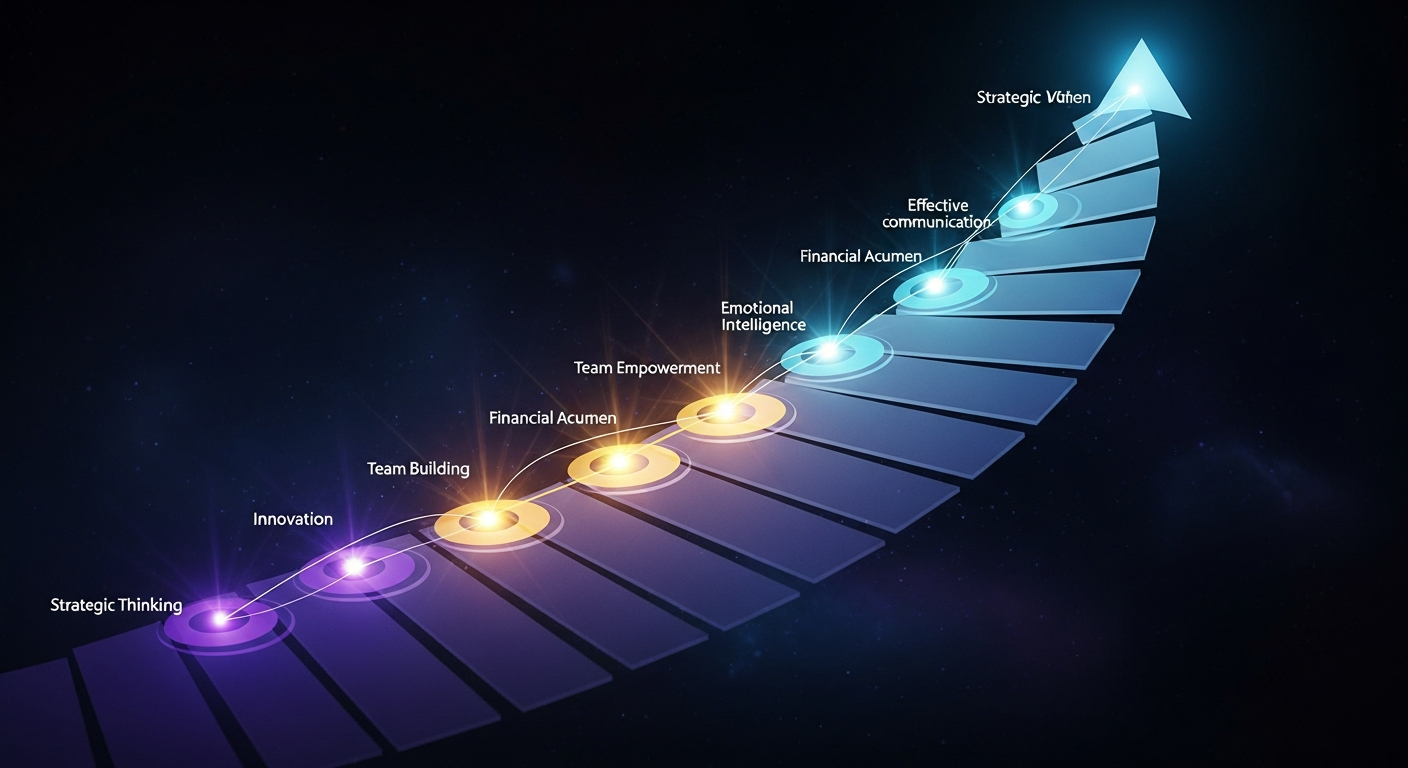
Leading Through Transformation: The New Leadership Imperative
Why traditional leadership models are insufficient for the pace and complexity of modern transformation — and the capabilities leaders need to develop.
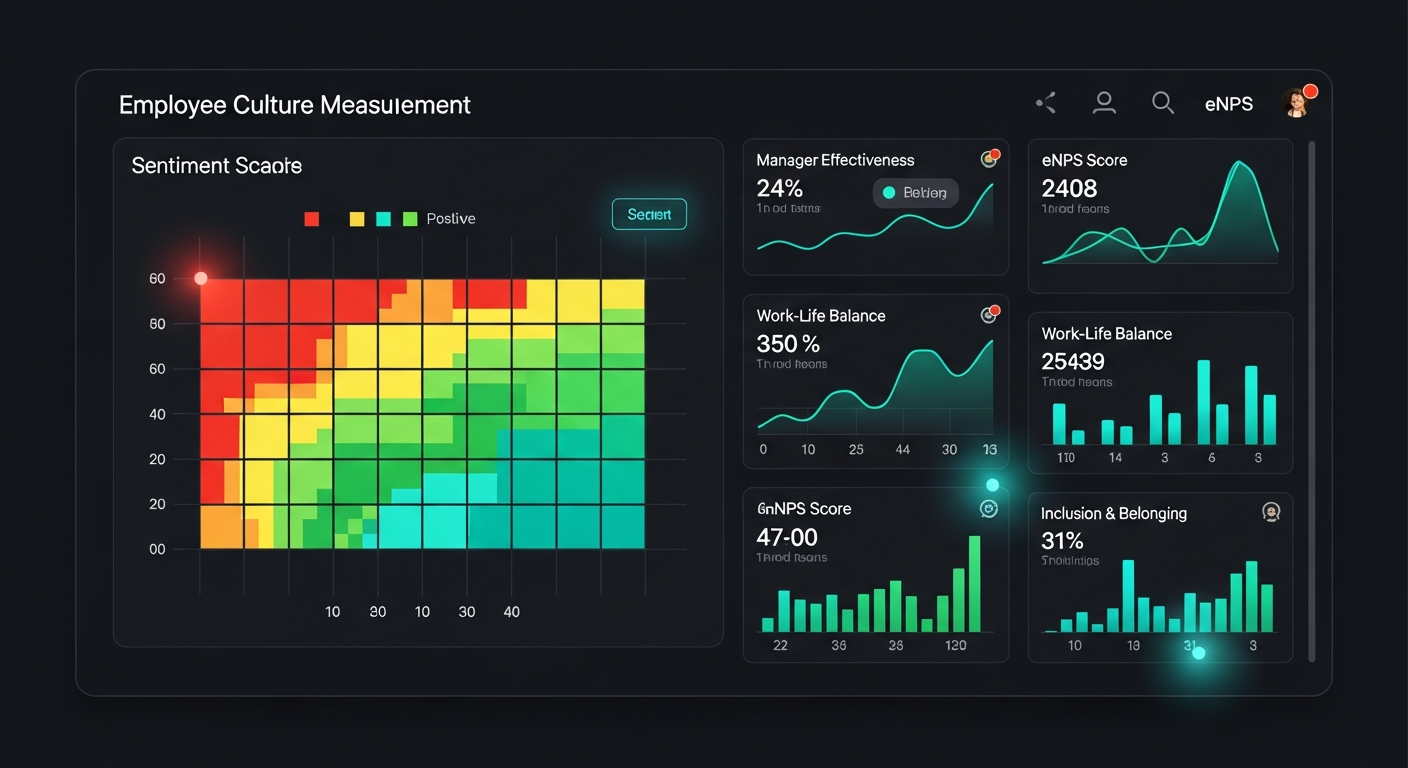
Culture as Performance Driver: Measuring What Matters
How leading organizations are moving from aspirational culture statements to data-driven culture management — and the measurable impact on business performance.